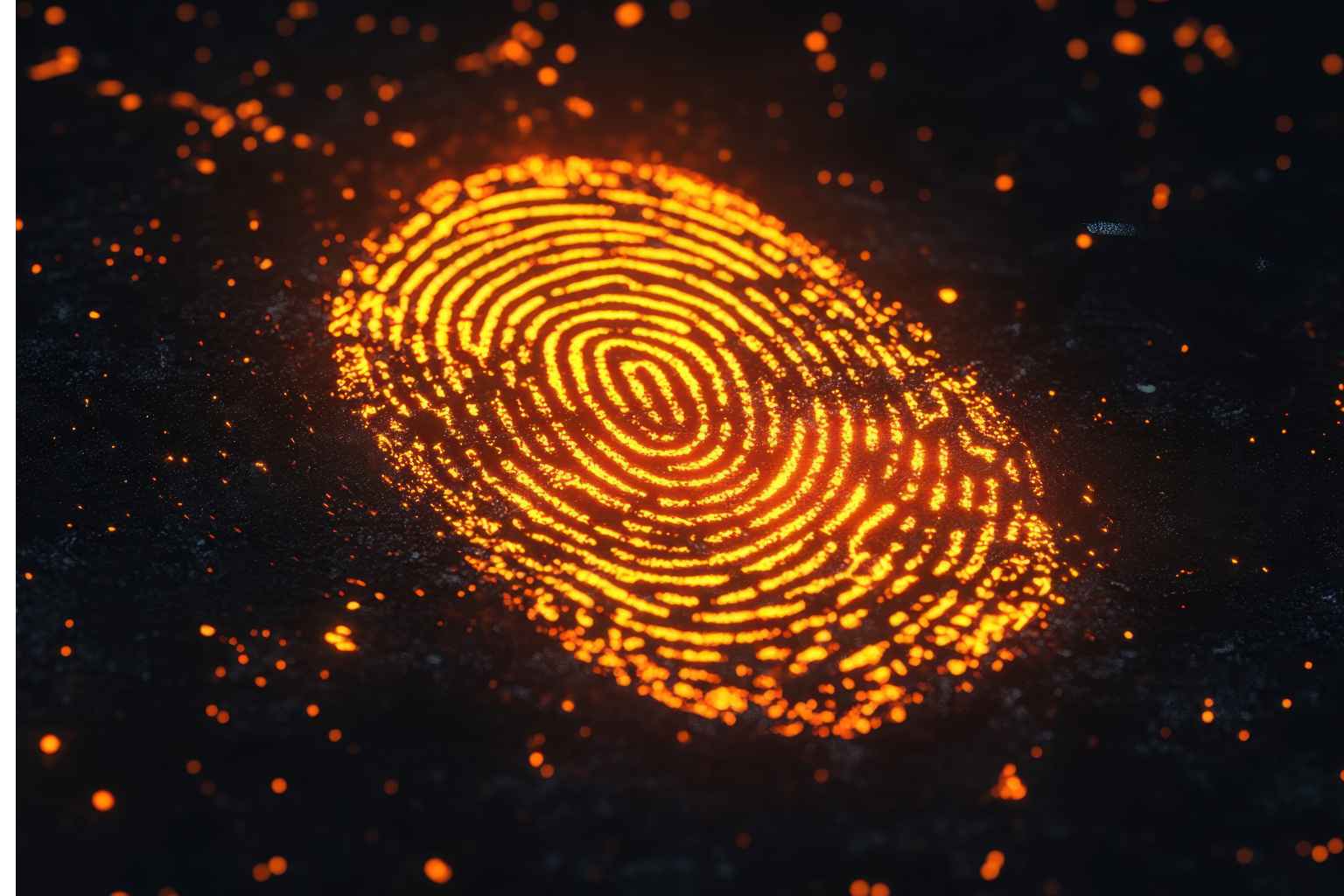
Biometric authentication leverages unique physical characteristics – fingerprints, face scans, voice patterns and even iris recognition – to confirm identity. Now it’s widely used for smartphones, banking apps, office security and online services. Biometric authentication is convenient and provides robust security, yet there are questions as to whether it is also secure. If you know the benefits and risks, people feel more comfortable to use biometric systems.
1. What Is Biometric Authentication?
Biometrics authentication is a security process that recognizes people using biological properties. Biometrics are impossible to forget or lose, unlike passwords. They open easily and eliminate struggle against unauthorized access.
2. Why Biometrics Are Becoming Popular
There’s possible cause to the fast expansion of biometric security:
- Faster and easier than passwords
- Difficult to copy or steal
- Helps reduce identity theft
- Works well with mobile devices
- Supported by advanced AI and sensors
Biometrics so far promise both convenience and strong protection.
3. Various Biometrics Utilized Today
Today’s systems apply a variety of biometric technologies:
- Fingerprint scanning
- Facial recognition
- Iris and retina scanning
- Voice recognition
- Palm and vein scanning
All have their pros and cons in terms of accuracy as well as security.
4. How Biometric Authentication Works
The process that is recognized in biometric systems is simple:
- Capture the user’s biometric data
- It can be digitized to a profile pattern
- Compare it with stored data
- Permit the access based on, or refuse it owing to, the match:
This all occurs in seconds, rendering biometrics fast and convenient.
5. Advantages of Biometric Security
Biometric authentication provides several advantages:
- No need to remember passwords
- Harder for hackers to replicate
- Faster login and verification
- Better protection for sensitive data
- Prevents unauthorized access
These are great benefits, and is why biometrics is so strong in security.
6. Biometric Risks and Constraints
While they are sturdy, biometrics can’t do everything. Some concerns include:
- Data leaks exposing biometric patterns
- Fabricated fingerprints or face masks to overcome systems
- Errors in low quality sensors
- Hidden challenges: Storing biometric data is in itself a security and privacy nightmare.
- Once pilfered, biometric data cannot be reset like a password.
7. How Companies Protect Biometric Data
To make it safe, businesses employ tactics like:
- Encryption of biometric templates
- Local storage, not iCloud storage
- Multi factor authentication
- Regular system updates
- Strict privacy policies
These precautions lessen the risk and keep users’ identities safe.
8. Integrating Biometrics With Other Security Measures
For now, biometrics work best when they’re used in conjunction with other methods. This includes:
- Passwords
- PIN codes
- Security tokens
- One time verification codes
Adding layers of security is safer than relying just on biometrics.
9. Is Biometric Authentication Truly Safe?
This section uses a numbered list as per your preferred structure
- Safer than traditional passwords
- Harder to hack or duplicate
- Still vulnerable to data breaches
- Best utilized as part of multiple security layers
- Note: Care and storage required.
These points illustrate where biometrics fit in the present state of security.
10. The Future of Biometric Security
Next Generation biometric systems will be smarter with AI enabled detection, behavioral biometrics and enhanced cryptography. Technologies such as heartbeat verification and walking pattern recognition are going to make authentication smarter and more secure.
Key Takeaways
- Biometrics deliver streamlined and secure identity verification
- Finger print and face recognition is so common this day.
- Biometric Privacy issues are created when Biometric information is mishandled.
- Biometric’s when used in conjunction with PINs, then it is safe.
- Next generation systems will use sophisticated AI for enhanced protection
Conclusion
Fingerprint biometric provides a secure and convenient way to protect devices and personal information. If it is not as risky as a typical password, then it still is risky and should not be treated in an unsafe manner. As part of a multi-factor security approach, biometrics make for a highly secure and user friendly experience in next generation digital systems.
FAQs:
Q1. Are biometrics safer than passwords?
Yes. They are more difficult to steal or copy.
Q2. Can biometric data be hacked?
Yes. Stored badly, it can be revealed in data breaches.
Q3. What’s the most secure biometric method?
Iris scans and vein patterns rank among the most accurate.
Q4. Can your fingerprints, your face files be hacked?
You could but with good modern sensors its tough.
Q5. Will biometrics mix with the password?
Yes. Increased security is offered by multi factor authentication.