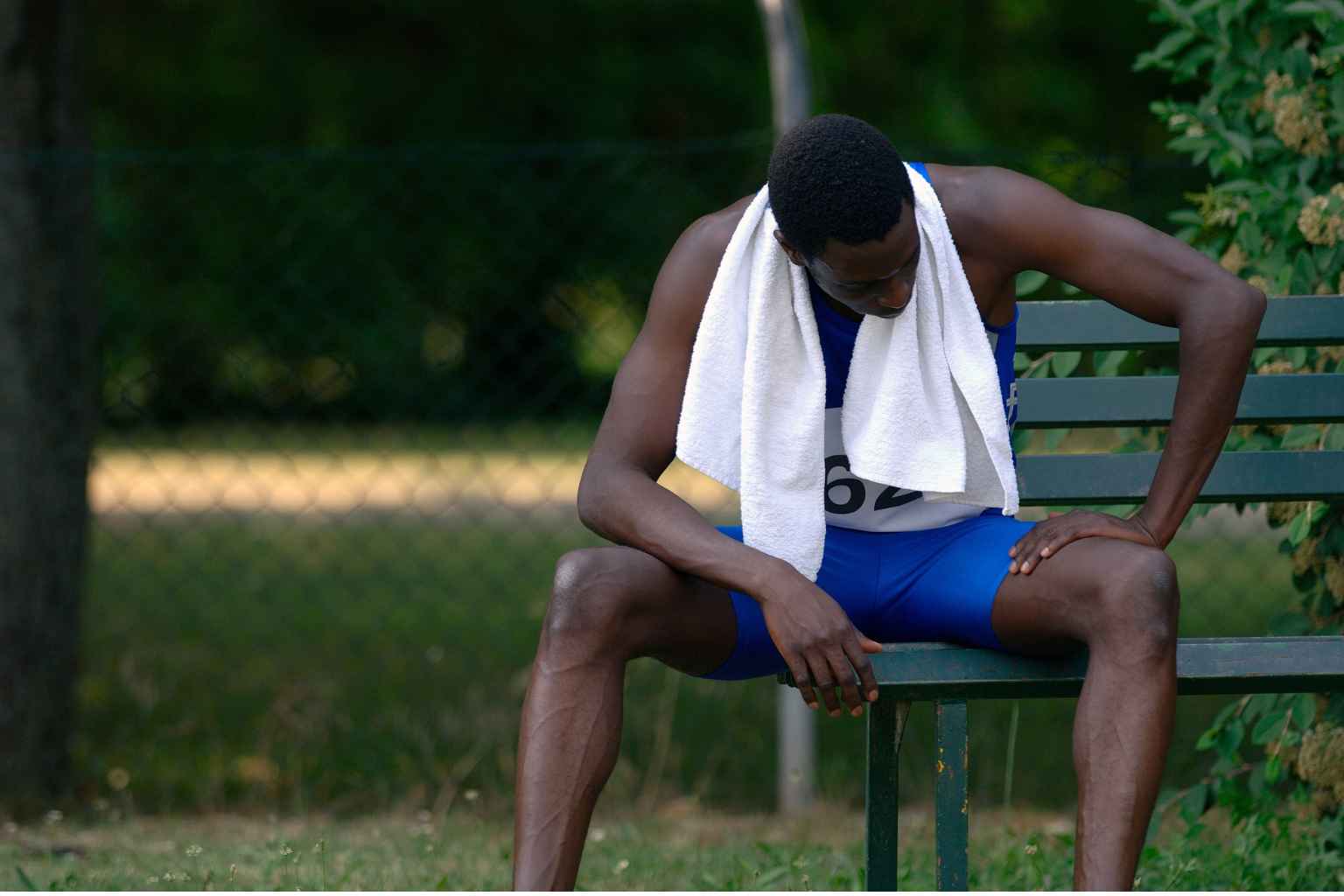
Burnout in athletes continues to gain traction as a significant problem in sport. As training gets harder and competition stiffer, a lot of athletes are feeling fatigued in ways that aren’t just about being physically tired. Burnout impacts concentration, productivity, confidence and happiness. In recent years, a growing number of athletes have been coming forward about mental fatigue, which has helped in breaking down the stigma and getting people to approach training with caution.
1. What Is Athlete Burnout?
Athlete burnout is characterized by chronic physical and emotional exhaustion that develops through exposure to persistent high levels of stress. It develops gradually as athletes train without sufficient rest, face unyielding expectations pr push themselves beyond what’s healthy. Burnout saps performance, happiness and health overall.
2. Why Athlete Burnout Is on the Rise Today
A number of contemporary factors are fueling higher rates of burnout:
- Intense training schedules
- Pressure to play at a young age
- Social media expectations
- Limited rest and recovery time
- Fear of missing out or exclusion
These forces explain why mental fatigue is probably more apt than ever.
3. Mental fatigue and performance.
Athletes under mental fatigue feel stressed, unfocused and are emotionally drained. It has an impact on decision-making, response time, drive and self-assurance. Even elite athletes can have difficulties when their mind is fatigued.
4. Physical Signs of Burnout
Burnout is not just a state of mind. It also results in physical signs like:
- Muscle tension
- Constant tiredness
- Frequent injuries
- Poor sleep
- Slow recovery
These are signs the body is under too much pressure.
5. Pressure From Expectations and Competition
Athletes may be under pressure to win, perform well or achieve other personalized results and pressures thereof, from coaches, family, fans, friends or sponsors. This perpetual pressure results in stress and emotional fatigue, elevating the risk of burnout even among high performers.
6. Social Media and Public Scrutiny
That the athletes in question are subjected to daily public judgment, courtesy of social media. Comments and criticism and comparisons can really kind of mess with mental health. The pressure just to look ever-thriving or flawless adds stress and decreases emotional resilience.
7. Importance of Rest and Recovery
Rest is as vital as training. The proper recovery allows the brain and body to recover energy. Without rest, performance sags and burnout climbs. Athletes require sleep, balanced nutrition, downtime for leisure or relaxation and breaks from hard hours of practice.
8. Athletes Talking About Mental Health
Many high-profile athletes have spoken out about burnout, anxiety and emotional difficulties. Their reluctance inspires younger athletes to get help and talk about their own feelings. This repositioning reduces stigma and encourages better mental approaches in sport.
9. Consequences of Ignoring Burnout in the Long Term
The following uses the numbered list as you have requested:
- Chronic anxiety and depression
- Serious injuries from overtraining
- Loss of motivation and passion
- Decline in performance
- Early retirement from sports
It is these long term impacts that illustrate the need to tackle burnout early on.
10. How Athletes Can Prevent Burnout
Athletes can safeguard their mental health by practicing habits such as these:
- Taking regular rest days
- Maintaining a balanced routine
- Discussing the problem with coaches or counselors
- Reducing social media pressure
- Practicing mindfulness or meditation
- Setting realistic goals
Good habits contribute towards long term success and well-being.
Key Takeaways
- Athletes burning out because of high pressure and strict schedules
- Mental fatigue and workplace The consequences of mental fatigue on the attention, motivation, and performance are shown.
- Social media ups emotional stress for athletes
- Ease and relaxation are as much a need of the soul as they are of the body\NotificationsRest is essential for both mental and physical health
- When people share their experiences, it can cut through stigma and help create healthier sports environments
Conclusion
The growing pain of athlete burnout is a real one. As the expectations of training have risen, it has never been more challenging to be an athlete. With these signs of burnout and an emphasis on mental health, athletes can safeguard their best selves to compete. Open dialogue, supportive climates and balanced programs are essential hallmarks of a healthier future in sports.
FAQs:
Q1. What causes athlete burnout?
Years of rigorous practice, pressure to perform, emotional stress.
Q2. How do I know if an athlete is burned out?
Mental tiredness levels, a low desire to compete, recurring injuries and generalized fatigue.
Q3. Can burnout affect performance?
Yes. It destroys focus, conviction and decision-making.
Q4. How can athletes reduce burnout?
Via sleep, well-being habits, mindfulness and communication with coaches.
Q5. Why are athletes speaking up more now?
There are a number of them. First, there is greater awareness about mental health, and athletes increasingly feel comfortable discussing their challenges.