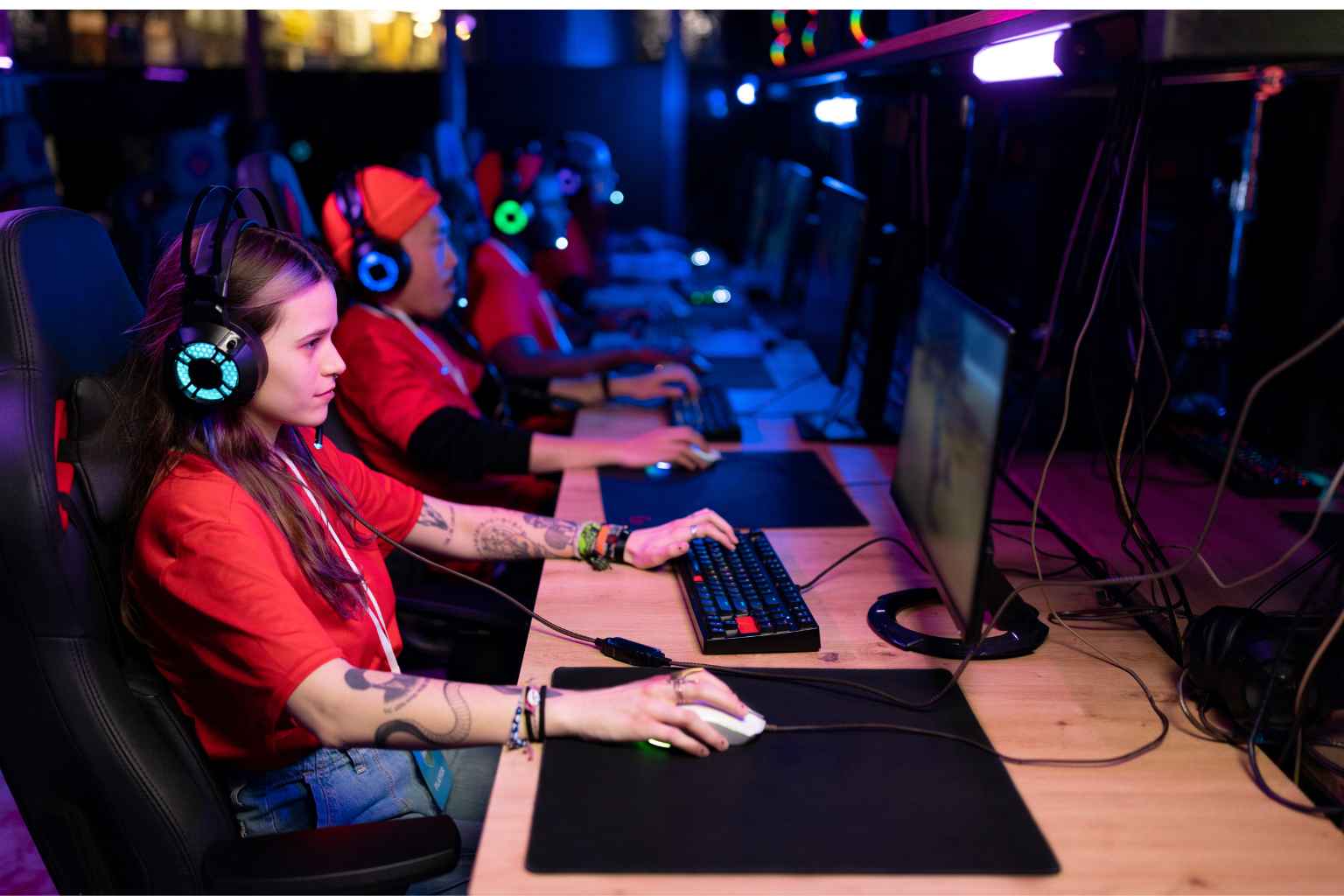
Esports has evolved from a niche passion into the world’s newest form of entertainment. With millions of cardholders, sellout events and online audiences that dwarf some major cable shows, competitive gaming is shedding its reputation as a basement hobby to take a place on the global stage. With the growth of technology and gaming culture, there is a lot of talk about whether esports can eventually live up to traditional sports. The explosion of tournaments, sponsorships, and pro players is the surest sign that esports looks to be a serious player in the world of sports.
1. Esports: Why So Popular Now?
Esports is fan favorite because it combines excitement, talent and fun. The action is fast-paced, intense and exciting with rising tension grudge matches – well received by spectators. Youth is also heavily engaged in gaming culture, and so the evolution of esports has been one of the fastest-growing industries across nations.
2. Professional Players and Team Structures
Esports competitors practice the same way that athletes do in physical sports. Professional teams have:
- Full time coaching staff
- Strategy analysts
- Fitness and mental health trainers
- Structured daily practice routines
- International tournaments and rankings
This is one of the reasons esports has become a serious, competitive business.
3. Major Tournaments Filling Arenas
Esports events now draw thousands of people to arenas and theaters. The League of Legends World Championship and The International sell out massive stadiums. Millions more watch on the internet, through streaming platforms. The fact that the cross section of a global audience can gather in person to watch people play video games is itself proof that esports now has a place in entertainment.
4. Massive Online Viewership
YouTube and Twitch are like digital arenas. Some top prizes for esports competitions receive more views than certain major traditional sporting events. Meanwhile, younger fans are watching online, so esports is an ideal match for every modern digital audience.
5. Skill, Strategy, and Teamwork
Sharp reflexes, open with the mind and teamwork are all aspects that go into a competitive esport. Players need to be able to assess enemies, control their resources and perform with teammates on the fly. And these got-the-whole-world-on-a-string abilities make esports intricate and challenging, just as traditional team sports are.
6. Global Investment and Sponsorships
Esports is increasingly being heavily invested in by brands, investors & sports bodies Clean up? And sponsorship deals from tech firms, energy drink brands and major corporations exemplify how lucrative and powerful the esports industry has become. A number of football clubs even have their own esports teams.
7. Challenges Esports Must Overcome
Esports is big, but there are issues like:
- Not all the games have common rules
- Health implications of prolonged screen time
- Limited physical movement
- Concerns about game violence
- Long term career stability is highly desirable
Solving these problems will ensure the continued strength of esports.
8. Conventional sports vs Esports: What are the differences?
Non-traditional sports are characterized by lack of physical skill development, relatively recent origin or access only via arena sports. Esports is built on digital platforms, fast updates and games that change constantly. Both require extreme dedication and discipline, but they each cater to different types of fans and athletes.
9. Future Trends That Could Further Drive Esports
This section follows up with numbered list as you prefer.
- True VR Competitions with immersive play
- Training tools for pro players, A.I enabled
- Increased chance of crossover with traditional sports
- Esports in schools and universities
- Growing the global leagues and franchise systems
These are the patterns that suggest how esports might one day match up against traditional sports in terms of popularity and scale.
10. Is Esports Really a Rival to Traditional Sports?
Esports may not replace conventional sports, but it can exist alongside them. With professional leagues and global audiences as well as increasing cultural significance, it has made a case for its place on the big stage. As new gamers come to the fold, esports will grow as a force to be reckoned with in worldwide entertainment.
Key Takeaways
- Esports is a burgeoning trend with global competitions and tremendous online followings
- Professional training, coaching and strategy have created the competitive nature of esports
- Investment and sponsorships are taking esports to the next level
- Both esports and sports will present skill, teamwork, and entertainment
- Future technology to drive global esports growth
Conclusion
Esports has transformed from humble video games into a worldwide competitive spectacle. With millions of fans, professional gamers, and sizable investments in the arena of competition, it’s becoming undeniable that esports have a solid place in the sports world. It might not take over for traditional sports, but it certainly is going to keep growing, challenge the status quo and re-imagine how people consume competition and entertainment.
FAQs:
Q1. What is esports?
It’s competitive gaming that professional gamers take part in within organised tournaments.
Q2. Why is esports so popular?
It’s fast, consumable and fosters a big digital community.
Q3. Do esports athletes practice the way traditional ones do?
Yes. They have well-established routines of coaching, analysis and mental training.
Q4. Can esports rival traditional sports?
Esports won’t take their place, but it can exist alongside as a significant global industry.
Q5. What’s next for esports?
Look for VR gaming, global leagues, school level programs and smarter training tools.