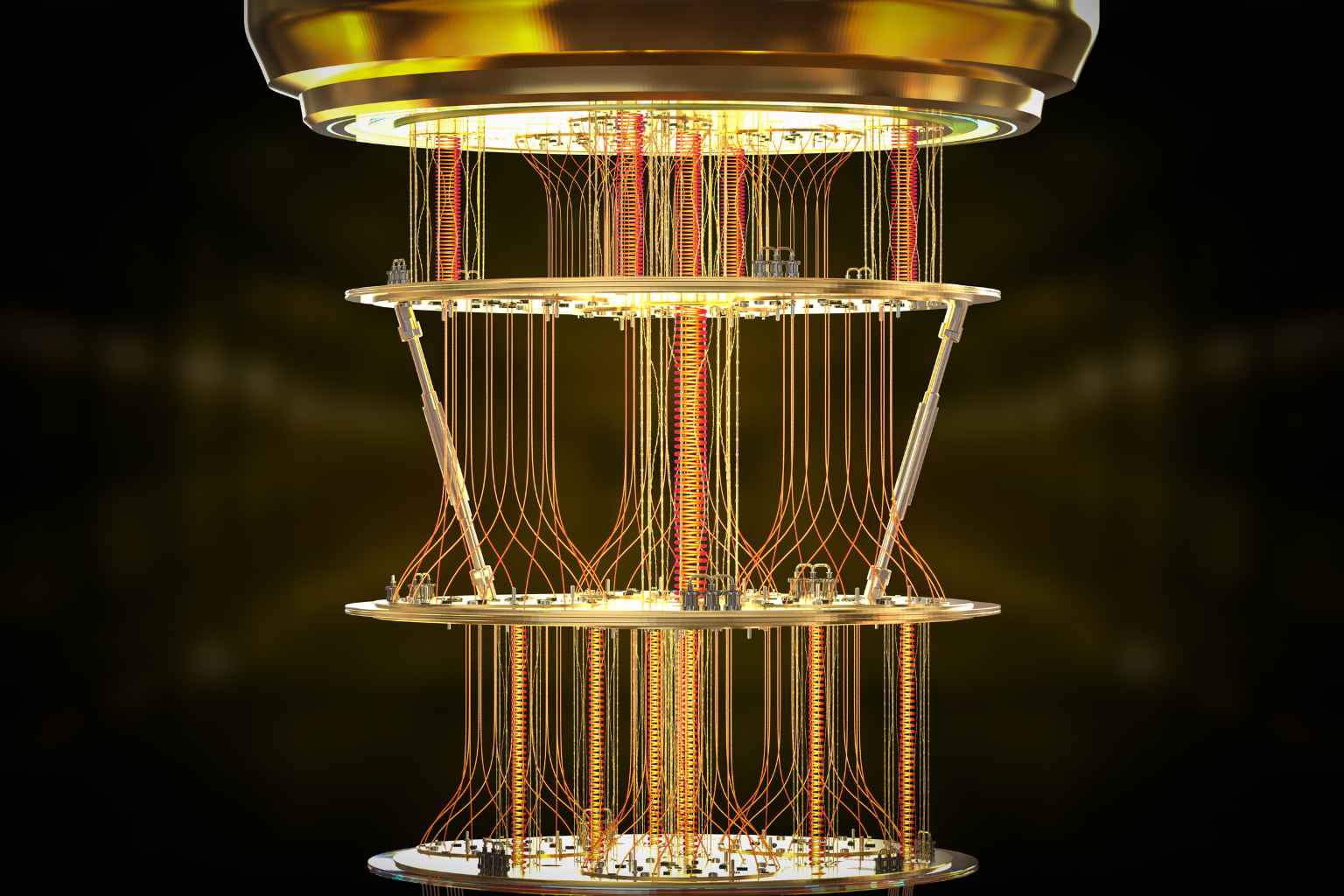
Quantum computing is making unprecedented progress, bringing new possibilities into view that were once confined to the realm of theory. Unlike classical computers, which store information in bits, quantum computers employ qubits to solve complex problems at a breakneck pace. These advancements can revolutionize fields from health care, cybersecurity and finance to scientific discovery. As the influence of quantum technology increases, it is likely to change the world in dimensions that we don’t have much awareness about.
1. What Makes Quantum Computing Different?
Quantum computers, which rely on principles such as superposition and entanglement, enable qubits to make more than one calculation simultaneously. This means that quantum computers are vastly more powerful than classical ones for some types of computation. It takes years for traditional computers to solve complex problems that can be solved in minutes by quantum systems.
2. Recent Breakthroughs Driving Quantum Innovation
There are a number of large changes that are driving the quantum computing trend:
- More stable qubits and longer coherence times
- Advanced quantum error correction
- Quantum algorithms that sped up solution times for problems
- Hybrid systems of classical and quantum computing
- Rising investment from global tech firms
These developments inch quantum computers closer to practical use.
3. Solving Problems Beyond Classical Computing
Quantum computers are superior to classical computers in solving complicated problems, including:
- Protein folding
- Climate modelling
- Large scale simulations
- Multi variable optimisation
- Advanced mathematics
These problems are too large for such classical computers or too slow on them, but eminently feasible for quantum systems.
4. Transforming Healthcare and Drug Discovery
Quantum computing is faster at learning molecular structures for scientists. This allows researchers to:
- Discover new medicines
- Test drug behaviour digitally
- Speed up vaccine development
- Personalise treatments
Quantum computing in the drug discovery may revolutionize healthcare Quantum-powered drug discovery has potential to transform modern medicine.
5. Strengthening Cybersecurity With Quantum Technology
Unbreakable encryption is possible with quantum computers, via quantum key distribution. It can even shatter conventional encryption schemes. That’s just squeezing the governments and companies to produce new quantum safe security protocols.
6. Improving Financial Modelling and Predictions
Quantum computing applications in banking and finance include:
- Risk analysis
- Fraud detection
- Market prediction
- Portfolio optimisation
Quantum computer tools provide faster, more profitable financial insights.
7. Boosting Artificial Intelligence and Machine Learning
According to Wired, quantum computing is able speed up AI training and increase pattern recognition. Faster processing will help produce high-level AI models, making breakthroughs in areas like robotics, automation and decision support systems.
8. Supporting Climate Research and Sustainability
Quantum computers could crunch through climate models, energy flows and environmental data on an astronomical scale. This helps scientists design:
- Efficient renewable energy systems
- Better climate predictions
- Smarter resource management
Quantum devices contribute to sustainable development worldwide.
9. Key Breakthroughs Shaping the Future
Here is a numbered list as you like it.
- Quantum error correction for quantum computation Nature.
- Quantum safe encryption systems
- Scalable quantum processors
- Cloud based quantum computing platforms
- Hybrid quantum classical computing models
These developments make widespread use possible.
10. What Quantum Computing Means for the Future
Quantum computers will develop as technology evolves. The coming decade will see commercialization of quantum processors, quantum computing solutions for industry and discovery of new fundamental science with a potential to revolutionize technology. Quantum systems will not replace classical computers; they will exist alongside them, approaching the problems that are simply too diabolically complex to tackle with classical computing alone.
Key Takeaways
- Quantum computers use qubits to solve complex problems faster than classical computers
- Advances in error correction / stability is accelerating the process.
- Quantum tech could replace healthcare, finance, and security as forces of transformation.
- Quantum safe encryption will become essential for protecting digital information
- Future of QCs would enable us to do things that we already thought impossible.
Conclusion
Quantum computers are about to alter our relationship with technology from medicine, to transportation, to the very fundamental fabric of reality. Quantum technology, with powerful new discoveries and increasing global investment, holds out the promise of providing solutions to problems that classical computers cannot solve. As the globe races into a quantum future, industries and governments are gearing up for a new era in technology that will have all-embracing impact on innovation and development.
FAQs:
Q1. What is quantum computing?
A type of computing that uses qubits to process information in a way that is exponentially faster than classical computers.
Q2. Why are qubits important?
They can be in more than one state at once, if you will, leading to far higher processing power.
Q3. Which industries will benefit the most from quantum computing?
Health care, finance, cybersecurity, AI and climate research.
Q4. Can quantum computers break encryption?
Yes. They can decrypt many traditional encryption systems, so quantum safe security is important.
Q5. How soon will quantum computing be domesticated?
They are still developing, but significant advances hint at wider application in the next decade.