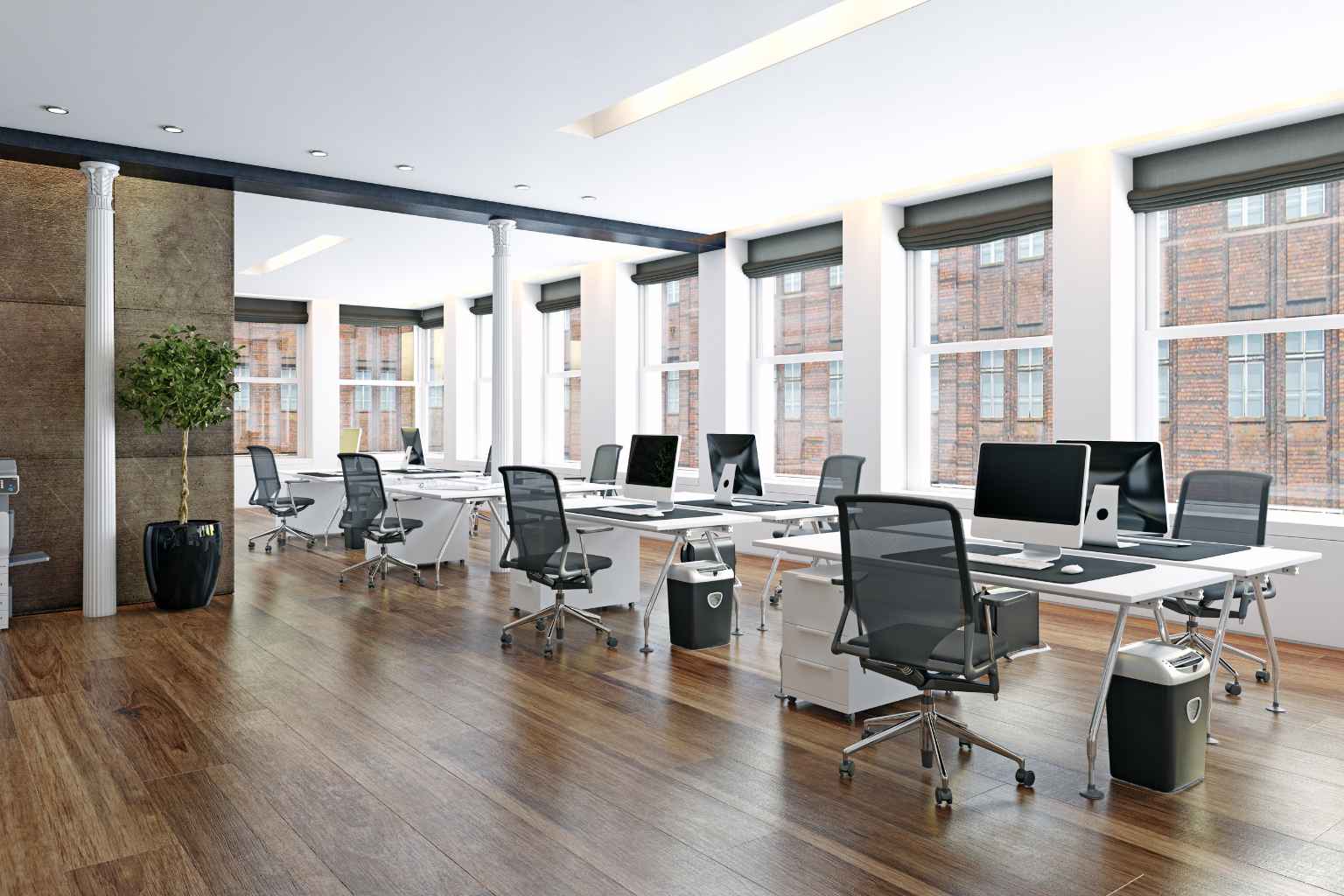
Contemporary offices are rapidly evolving as companies adjust to new work cultures influenced by technology, remote work and changing employee expectations. One of the greatest leaps in 2025 is flex desks. Flexible workstations let workers pick where they sit each day, as opposed to having assigned seats. Flex desk systems accommodate hybrid work, optimize the use of space and foster collaboration. Flex desks are emerging as an intelligent and cost effective response, as companies re-imagine traditional office designs.
1. Knowing More About Flex Desks In Today’s Offices
Flex desks are a feature of an office model in which employees do not have assigned seating. Rather, they can work at any available workstation when they get to the office. This configuration is well-suited to workers who spend some time at home and some in the office. Flex desks decrease wasted spaces and create a lively atmosphere in the office that stays in tune with how many employees are around on any given day.
2. The Hybrid-Work Culture Emerges
Hybrid work is one of the top drivers prompting companies to adopt flex desk systems. With team members only one half or the other of “working from home and working at the office,” employers no longer need a permanent seat for everyone. At the same time they are flexible, help to avoid overcrowding and support a modern work rhythm (employees come into the office for collaboration, meetings and teamwork sessions. flex desking
3. Cost Savings and Space Optimization
Office space is expensive. Flex desk models enable firms to shrink their physical office space without a loss of productivity. With shared workstations, companies can save on rent, utilities, furniture and maintenance. The model of flex desks allows each square foot to be utilized more efficiently and it’s a good fit for start-ups, fast-growing companies.
4. Boosting Collaboration and Interaction
Flex desks inspire everyone to sit with a new person in the office everyday – means good conversation and new ideas. This movement also contributes to the dismantling of departmental silos and encourages cross team communication. The end result is a coworking space that fosters creative interactions and workplace relationships with peers.
5. Technology Behind Flex Desk Systems
Today’s flex desk setups depend on smart technology to run smoothly. Companies use tools such as:
- Desk booking apps
- Smart sensors to track availability
- Digital floor plans
- AI powered workspace management
Such tools make it simple for employee’s to find an available seat, minimize confusion and enable staff to carry on with their task more effectively.
6. Supporting Employee Choice and Freedom
Flex desks allow employees to sit however and wherever they want. Others may want a private corner fur concentrated work and some being in an open space for team collaboration. This autonomy in turns affect job satisfaction and productivity. Employees appreciate and are motivated when they have the freedom to control their environment.
7. Better Use of Office Zones and Activity Based Design
Activity based workspaces are the perfect fit for flex desk solutions. Offices can be zoned: quiet retreats, collaboration rooms, brainstorming corners and casual lounges. Employees choose the zone that corresponds to their work for the day. This arrangement provides a working environment which is adjustable to varying modes or habits of work.
8. Better Health / Balance of Work and Life
With support for hybrid scheduling and flexible seating, flex desk offices ease work stress and add balance. On some days, workers avoid long commutes and instead experience varied work environments when they show up, while ergonomic furniture and wellness zones provide support for comfort, movement and mental clarity.
9. Challenges in Adopting Flex Desks
While flex desks provide several advantages, companies must also tackle obstacles including:
- Ensuring employees find seats easily
- Managing personal storage needs
- Maintaining cleanliness between uses
- Establishing well-defined restrictions in communal places
With the right planning and communication, these can be handled well.
10. The Future of Flex Desk Workspaces
With companies continuing to embrace hybrid work and remote lifestyles, these flex desks are what you will find in the modern office. The work environments of the future will integrate smart technology solutions, collaborative zones, wellness elements and flexible seating that foster output and creativity. Breaking away from set designs, businesses can develop flexible surroundings to cater for an ever-evolving workforce.
Conclusion
Flex Desks are changing the way that We Work in particular and other similar workplaces operate, providing flexibility at all stages of demand, efficiency, and a better employee experience. After hybrid work, organizations are reimagining bulky office design with moveable furniture, while implementing shared workstations to facilitate movement, collaboration and intelligent space utilization. The future workspaces will require flexible options such as flex desks, to accommodate fluctuations in business demand and workforce expectations.
FAQs:
Q1. What is a flex desk?
A flex desk is a workstation without an assigned use, that you can grab on a first come first served basis or book in advance.
Q2. What’s driving companies to embrace flex desk systems?
They cut down on space costs, accommodate hybrid work and make better use of space.
Q3. Do flex desks make employees more or less productive?
Yes, positively. One way to do that is by giving learners choices so they have control over their learning experience. They empower choice and allow for collaboration, making engagement much higher.
Q4. What kind of technology is in a flex desk office?
Things such as desk booking apps, sensors, digital maps and workspace management software.
Q5. Are flex desks for everyone?
They are best suited to organizations with hybrid or flexible work cultures and teams that don’t require fixed seating every day.

