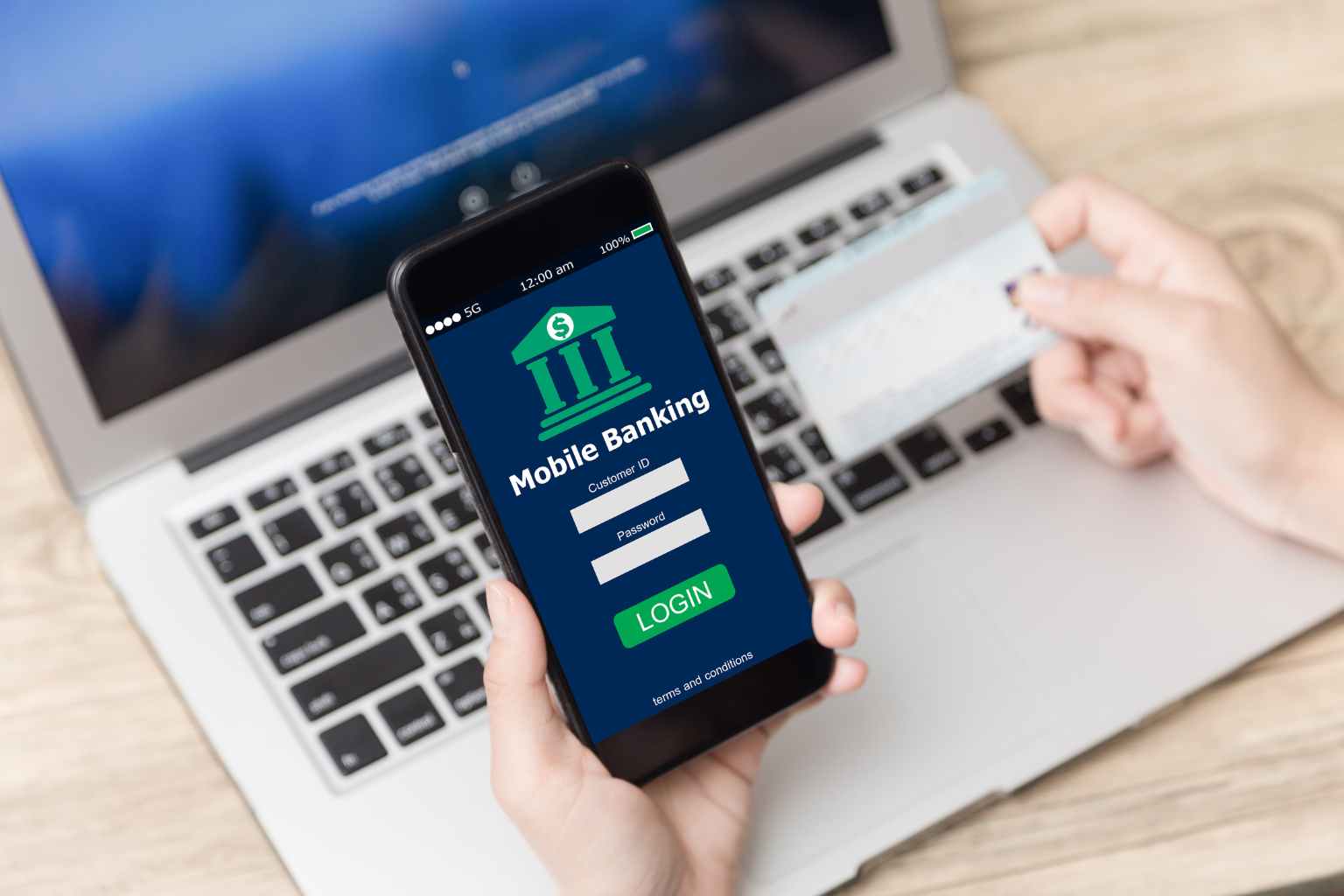
Technology has revolutionized banking and the way we handle our money. With mobile payment systems to high-interest online savings accounts, digital banks offer ease, speed and lower costs than traditional banks. With a combination of mobile apps, AI-driven tools and secure online systems today’s customers can do nearly anything banking they’d want on their phones. In 2025, digital banking has exploded and transformed the way that people save, spend, invest and rule over their money.
1. Understanding Digital Banking
Digital banking is services which are offered online only. It eliminates the necessity for brick-and-mortar bank locations and enables customers to conduct all of their banking digitally. From opening accounts to paying bills, everything is done on a smartphone or laptop. Its impact has been to render banking both faster, simpler and more inclusive.
2. Why The Growth Of Digital Banking Is So Fast
The proliferation of digital banking is powered by a number of influences.
- Quick and easy way to access financial services
- Lower fees than archaic banks
- Growing smartphone and internet usage
- Secure digital payment systems
- Customer experience improves with modern apps
The convenience and flexibility offered by digital banking has pushed millions of people away from brick-and-mortar banks.
3. Faster and Simpler Money Management
Digital banks make it possible to arrive at your money fast. You can access your balances, transfer funds and make your payments all in a matter of seconds. And practically every app has real time transaction alerts, spending insights, and intelligent budgeting tools. This keeps customers in the driver’s seat of their financial activity and assists them in making more informed money decisions.
4. Lower costs and interest rates
Digital banks have one major advantage: They are cheaper to operate. Because these banks don’t carry the overhead of brick-and-mortar branches, they can usually charge less or offer customers higher interest rates on savings. Many digital banks also offer zero-charge transactions, zero balance accounts and affordable international transfers. This is a cost-efficient and customer friendly way of banking.
5. Enhanced Security With Modern Technology
Digital banks deploy cutting-edge security protocols, including biometric login, two factor authentication and encrypted systems to secure customer data. And AI systems monitor in real time for suspicious activity, including fraud. With these security measures in place, digital banking is a safe way to bank that can be relied on every day.
6. Digital Payments and Cashless Transactions
Online banking has brought cards and cash less payments into the mainstream. Folks can make instant payments through UPI, QR codes, mobile wallets and online transfers. Also, the rapidly and safely paying system is an advantage of business. Cashless payments are rapidly transcending to become an integral part of our lives, making it more convenient and helping us depend less on physical cash.
7. AI Powered Financial Tools
A number of digital banks lean on artificial intelligence to give personalized financial advice. These tools help customers:
- Track expenses
- Set savings goals
- Identify overspending
- Improve money habits
Artificial intelligence driven insights are designed to help you make more informed financial decisions and have an easier time getting started.
8. Global Access for Everyone Who Needs It
People who travel a lot or who live abroad will find digital banking especially handy. International payment cards, multi currency accounts and low cost remittances make it easier to manage your money in multiple currencies. And all of this can be accessed not just from the arbitrary location of a bank, but from anywhere in the world.
9. Challenges in Digital Banking
But if digital banking has many opportunities, it also comes with some real challenges:
- Dependence on internet connectivity
- Limited availability of in-person assistance for complex cases
- Threat of cyber attach when guidelines are not followed by users
- Learning curve for digital neophytes
With adequate knowledge and safe behavior, these obstacles can be overcome.
10. The Future of Digital Banking
Banking of the future, will be 100% digital, customized and automated. Upcoming innovations may include:
- AI based financial advisors
- Voice-assisted banking on smart devices
- Biometric payments
- Instant investments and loans
- Blockchain based secure transactions
As technology advances, digital banking will bring you ever smarter, safer and more convenient financial services.
Key Takeaways
- The new era of digital banking offers quick and easy banking services at low cost
- It comes with improved interest rates as well as intelligent money-management tools
- Access to digital secure payments aids cashless transactions
- Financial convenience is enhanced with global accessibility and AI insights
- The future of banking is digital, robotic, and personal
Conclusion
The emergence of digital banking is transforming the way people manage their money. UPDATE Feeling that they have more power and flexibility than ever because of powerful apps, miniscule fees and secure digital systems, customers are empowered. As technology continues to evolve, digital banking will become an even greater force helping people save, spend and invest wisely. Going digital should become the norm and modern financial life for everyone.
FAQs:
Q1. What is digital banking?
It is an ecosystem in which online financial services are provided via apps and sites without brick-and-mortar branches.
Q2. Is digital banking safe?
Yes. To secure customer data, it employs biometric login, encryption and real time fraud detection.
Q3. Do digital banks have cheaper fees?
Digital banks tend to have low or no fees because they don’t have the cost structure required for brick-and-mortar branches.
Q4. Can I log in from abroad?
Yes. With digital banking, you can access and manage your money from wherever you have an internet connection.
Q5. Digital banks: will they wipe out Old Street?
There will still be physical banks, of course – but digital banking is poised to overtake branches for most daily needs.