Vehicle safety ratings make it easier for buyers to know how well their car will protect them in a crash and how good the vehicle is at avoiding one. These are ratings that have been provided by well-respected organizations based on rigorous crash tests and safety analysis. Though many people rely on safety ratings to help pick out a car, not all of us know what these scores really mean. Learning about those can help you make smarter, safer purchasing decisions.
1. What Are Vehicle Safety Ratings?
Safety ratings are awarded to vehicles that have been subjected to crash tests and assessed for a car’s performance in safety testing. These are ratings that indicate how well a car protects those inside it and how effectively they prevent accidents in the first place.
2. Who Gives These Safety Ratings?
There are a number of international organizations that also offer safety ratings for cars:
- Global NCAP
- Euro NCAP
- NHTSA (United States)
- IIHS (United States)
- ASEAN NCAP
The organization’s use different testing methods but both aim to measure real world safety.
3. How Crash Tests Are Performed
Crash tests gauge how a car will perform in various crash situations, including:
- Front impact
- Side impact
- Rear collision
- Rollover risk
Good cars take impact very well and prevent passengers from being seriously injured.
4. Understanding Star Ratings
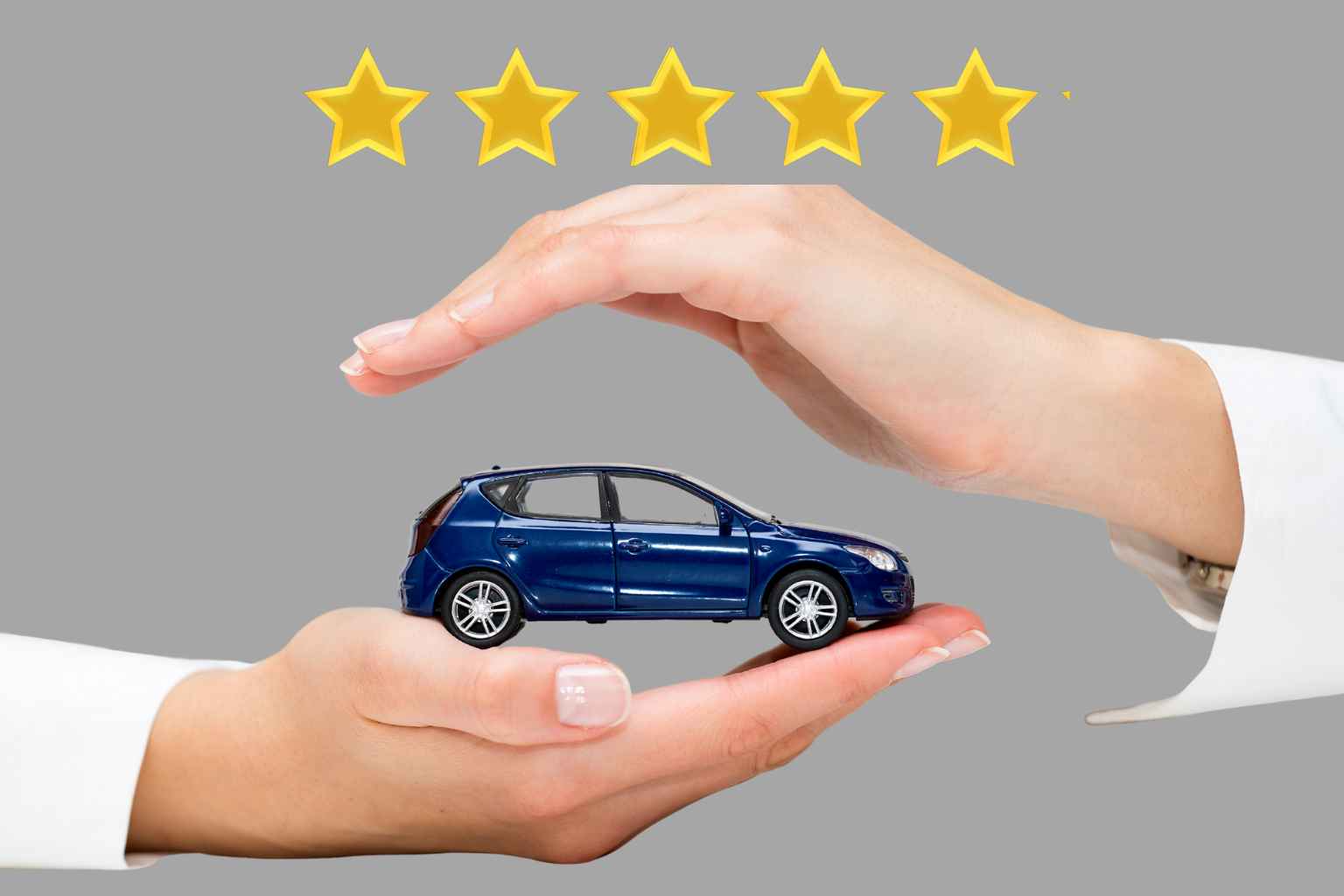
Agencies will often rate cars on a scale of stars. More stars mean better safety.
For example:
- 5 stars: Excellent protection
- 4 stars: Very good safety
- 3 stars: Moderate protection
- 1-2 stars: Terrible for safety
Star ratings offer a quick read on how well-protected passengers in a vehicle are during crashes.
5. Active Safety Features
Safety designations also factor in technologies that help avoid crashes. These include:
- ABS
- Electronic stability control
- Emergency braking systems
- Lane assist
- Traction control
- Blind spot detection
Vehicles with more of the most vigorous safety features tend to do best in ratings.
6. Passive Safety Features
Passive safety is safety features that work whether you employ them or not during an accident:
- Airbags
- Seatbelts
- Strong body structure
- Crumple zones
- Side impact beams
These characteristics would help to minimize the damage caused by an accident.
7. Child Safety Ratings
Measuring how well a car protects with child seats, too. Tests include:
- Crash protection
- Ease of installing child seats
- Airbag and seatbelt positioning
These ratings help families select appropriate vehicles.
8. Why Two Cars With the Same Stars Can Fetch Different Prices
Two cars with similar star ratings can still provide different safety in a real world scenario because:
- Testing methods vary by country
- Cars weigh differently
- Some features may be optional
- Build quality differs across regions
The stars are red, but more important than the star rating is the editorial content explaining ratings.
9. Key Insights Vehicle Safety Ratings Reveal
Here is the same section with a numbered list (as per your preferred format)
- How adults are protected by a vehicle
- What kind of risks children face within the car
- The rigidity of the car’s body shell
- How Active Safety Technology Works to Keep You Safe
- Performance of the vehicle in various crash situations
Buyers can use these insights to know an automobile’s real safety level.
10. How to Use Safety Ratings When Shopping for a Car
Let safety ratings be your guide, but balance it with these factors as well:
- Review for adult and child safety ratings
- Consider both active and passive safety features
- Compare models with local versions of the same model
- Opt for vehicles with sturdy frames
- Consider safety assist technologies
Safer choice A mix of ratings and features make the safer choice.
Key Takeaways
- Vehicle safety ratings indicate how well a vehicle protects its occupants
- Organizations like Global NCAP and Euro NCAP offer the reliable results
- Genuine protection comes from ACTIVE and PASSIVE safety features
- Star ratings offer a quick comparison but details matter
- Ratings information allows buyers to select safer vehicles.
Conclusion
Vehicle safety ratings can offer drivers valuable info on how a car performs during crashes and what it does to help prevent them. In knowing what those ratings mean, buyers can make safer decisions and select vehicles that will provide strong protection for themselves and their families. Safety scores can touch the human lives saved and put at risk by a vehicle.
FAQs:
Q1. What do vehicle safety ratings measure?
They gauge crash protection and the efficacy of safety features.
Q2. Is a higher star rating always better?
Yes. More stars typically indicate better safety, but specifics do matter.
Q3. Are child safety formulas included in safety ratings?
Yes. Separate ratings are awarded for child protection.
Q4. If two cars share the same rating, but could be rated as low and high risk respectively, then why?
Yes. Testing techniques and build quality can play a role.
Q5. Does the safety rating factor into my car purchase?
Absolutely. They aid in comparison-shopping for safer and more reliable vehicles.