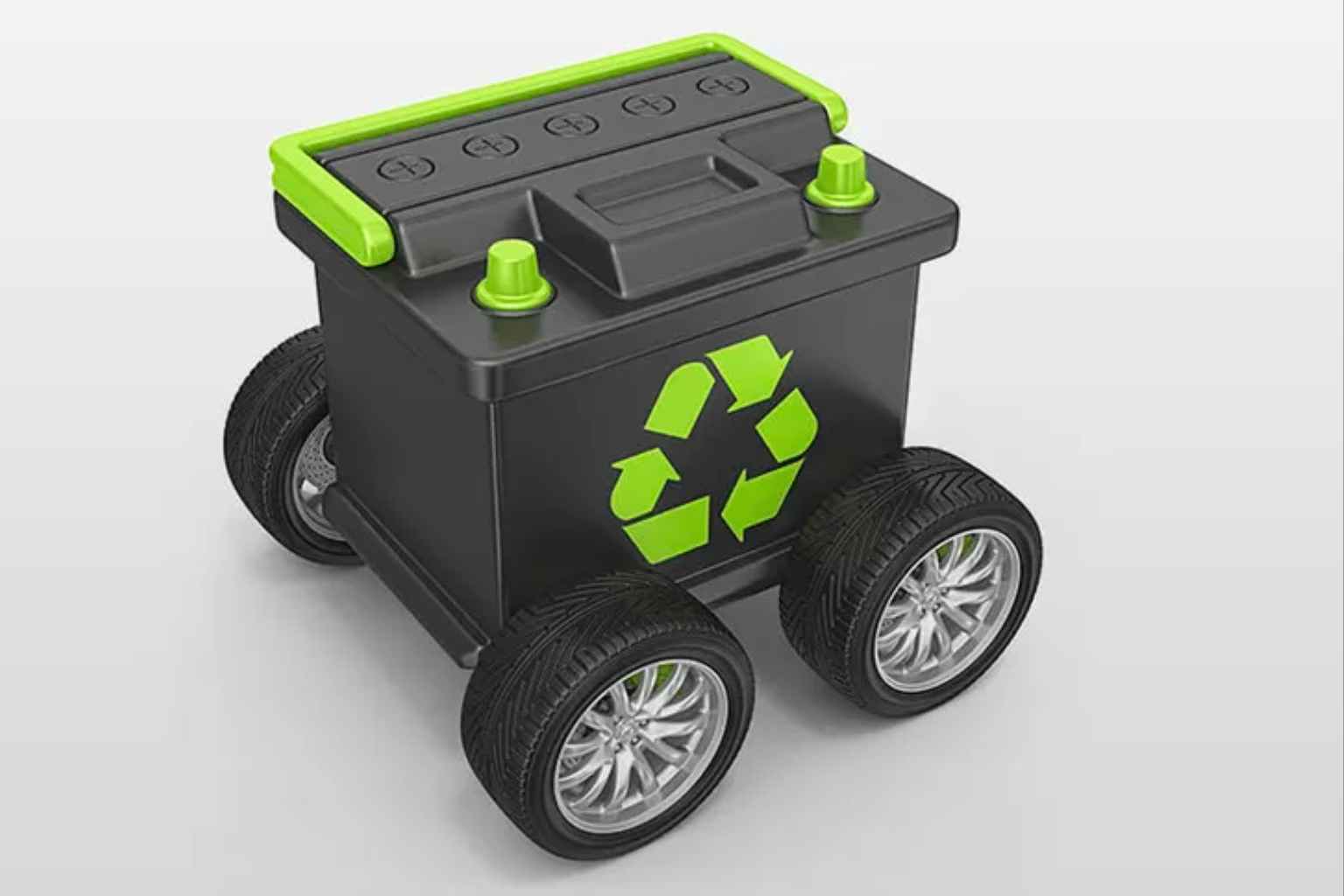
Electric vehicles are growing in popularity, yet there is a chasm of awareness when it comes to what happens with the used EV batteries. As millions of electric vehicles take to the road, large numbers of spent lithium ion batteries will need to be disposed of or recycled in a safe way. Batteries similarly contain valuable materials but can also damage the environment if disposed of incorrectly. The next big job of the EV industry has become battery recycling.
1. Why EV Battery Recycling Matters
Electric vehicle batteries are packed with lithium, cobalt and nickel and other valuable metals. If thrown out, they promote pollution. Recycling allows us to recapture these materials and averts the necessity of new mining. And it guarantees proper old battery handling.
2. Explosive growth in EVs and growing waste
Battery waste is growing as more people buy electric vehicles. EV batteries typically have an eight-to-ten-year lifespan. Millions of EVs are being sold every year and the volume of batteries reaching end of life is increasing rapidly.
3. What Makes EV Batteries So Hard to Recycle
The batteries in EVs are complicated and tightly fitted. Challenges include:
- Difficult to dismantle safely
- High risk of fire if damaged
- Mixed materials inside each cell
- Expensive recycling processes
- Lack of global recycling facilities
These are the problems that make recycling so slow and costly.
4. Valuable Materials Inside EV Batteries
Old batteries still include valuable materials such as:
- Lithium
- Nickel
- Cobalt
- Copper
- Graphite
Recycling also makes it possible to recover these metals and eases the pressure on mining sectors.
5. Environmental Risks of Not Recycling
Without proper recycling of EV batteries, they may:
- Leak harmful chemicals
- Cause fire hazards
- Increase electronic waste
- Harm soil and water
- Raise long term pollution risks
Recycling the right way stands to protect people and the planet.
6. Some Second Life Functions Of Used Batteries
Before being recycled, many of those EV batteries can be re-used. They hold energy even after being used in EVs. Second life applications include:
- Home energy storage
- Solar power backup
- Small grid support
- Power banks for buildings
This helps the battery last longer, in turn wasting less.
7. Global Efforts to Improve Recycling
There are efforts underway, both in countries and at companies, to make battery recycling better with:
- New recycling factories
- Better government policies
- Safer dismantling methods
- Chemical processes to recover metals
- Investment in sustainable mining alternatives
The goal of these efforts is to streamline and improve recycling.
8. Cost Pressures in the EV Space
Recycling EV batteries is expensive. Costs come from:
- Transporting bulky batteries
- Safety systems for storage
- Complex chemical processes
- Skilled labor requirements
- Struggle to recover some materials
If recycling becomes more universally applicable, it will make trash cheaper.
9. Critical EV Battery Recycling Challenges
This section uses a numbered list as per your preferred structure
- High cost of recycling
- Limited global recycling infrastructure
- Fire and safety risks
- Difficulty separating battery materials
- Lack of uniform recycling standards
These problems will have to be addressed if EVs are ever going to enter the mainstream in a sustainable way.
10. The Future of Battery Recycling
The future looks promising. Researchers are working on a safer, cheaper recycling method. Companies are engineering EV batteries that can be more easily taken apart. Both governments are cracking down on recycling. In the years to come, battery recycling is going to be a significant part of the EV ecosystem.
Key Takeaways
- EV battery waste is rising as electric vehicles grow
- Valorizing of valuable metals is highly necessary through recycling
- Cost and safety concerns impede recycling today
- Second life battery use prevents waste and creates value
- Recycling of the future will be cleaner for EV industry
Conclusion
The next great challenge for electric vehicles is what to do with its batteries. But as EV adoption picks up, the world will also have to invent sustainable ways of dealing with old batteries. A more advanced technology, stiffer policies and international cooperation will place battery recycling as a key enabler for cleaner and greener transport.
FAQs:
Q1. Why is recycling EV batteries so important?
It reclaims valuable metals and eliminates environmental pollution.
Q2. Are EV batteries hard to recycle?
Yes. They are so complicated and expensive to recycle because of their construction and contents.
Q3. What is the impact of not recycling EV batteries?
They may leak chemicals, present fire hazards and increase pollution.
Q4. Can used EV batteries be reused?
Yes. They can also be applied to home energy storage and backup systems.
Q5. The future of EV battery recycling?
Better technologies, simpler battery designs and strong policies will help recycling to improve.