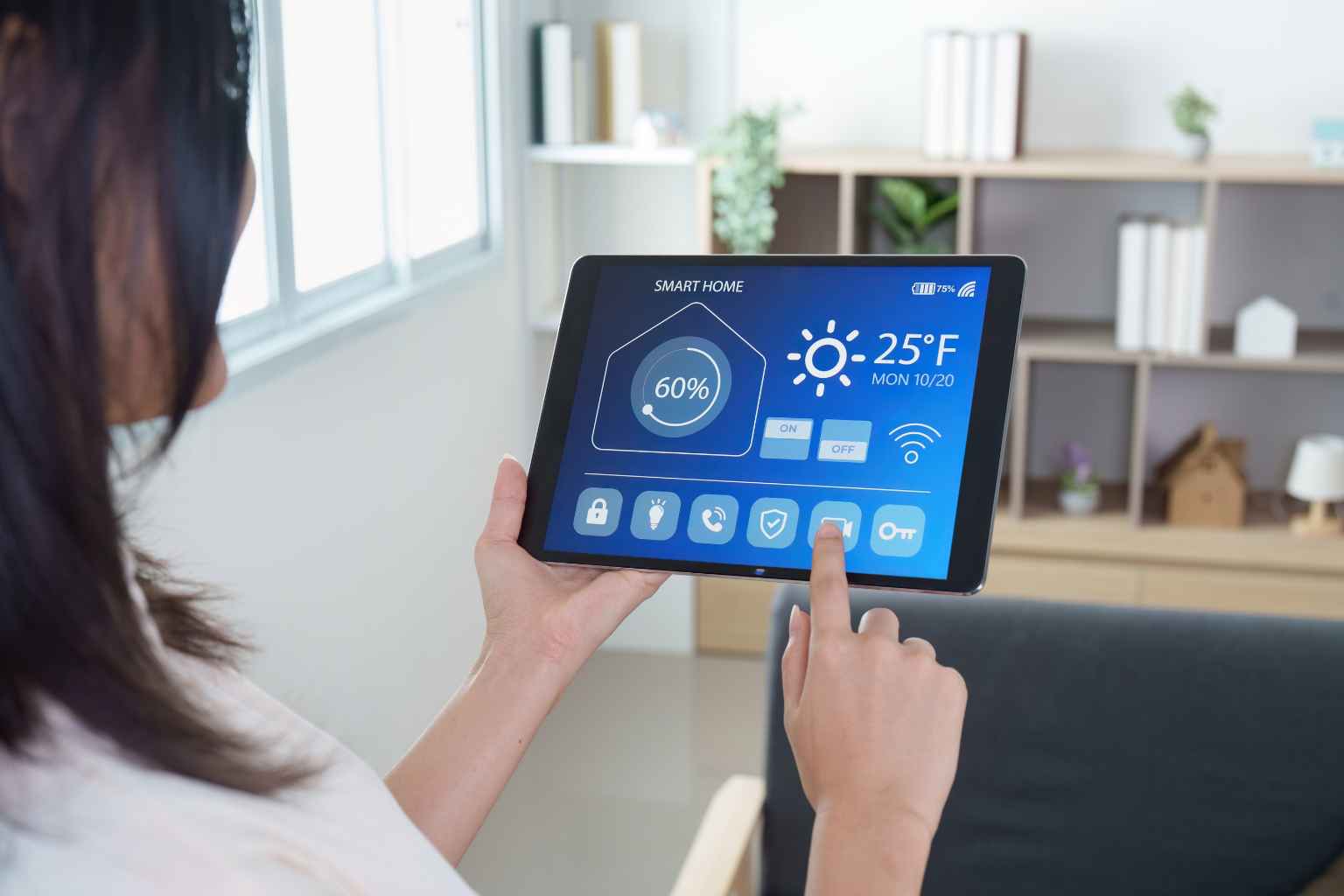
Smart homes are increasingly becoming an essential part of contemporary life. Through smart devices, voice-activated assistants, automation and energy-saving technology, a smart home helps with tasks you do every day. Having the ability to control lights with the swipe of your phone, or setting up a security system that you can monitor and manage from anywhere has been game-changing for how we live, work, and maintain our homes. Smart living is now affordable for everyone.
1. What Are Smart Homes?
From the kitchen to the bathroom, technology is getting smarter and homes are no exception as they utilize internet-connected devices and sensors to perform functions for their owners. With them, you can remotely manage lighting, temperature, appliances and security monitoring using your phone or voice assistant. Smart homes turn life into something easy and comfortable.
2. Why Smart Homes Are Growing in Popularity
Several reasons explain the rapid rise of smart home technology:
- Increased use of smartphones
- Better internet connectivity
- Need for energy efficient solutions
- Demand for convenience and automation
- Focus on home security
People are looking for homes that save time, effort and provide safety.
3. Smart Lighting for Convenience
Smart lights enable you to turn lights on or off using your smartphone or voice commands. Some of them can be programmed to light up, dim or adjust colors automatically. Smart lights help you save energy and be more convenient at the same time.
4. Smart Security For A Safer Home
Contemporary homes are equipped with video doorbells, motion sensors and smart cameras for security. These gizmos will alert your phone when they sense movement. You can view live video or talk to visitors, even when you’re not home.
5. Smart Temperature Control
Smart thermostats are tried and true when it comes to perfect temperatures at home. They pick up on your schedule and make cooling or heating adjustments automatically. This lowers your electricity bills and ensures that your house remains comfortable all day long.
6. Hands free control by all Voice Assistants
Voice assistants such as Alexa and Google Assistant can make it easier to control devices without touching your phone, whether you’re turning on and off the lights or managing smart locks. You can tell them to play music, turn off lights or set reminders. Smart homes are voice controlled and easy to operate for the whole family.
7. Smart Appliances for Everyday Efficiency
Now, many home appliances are not only smart but smarter. These include:
- Smart refrigerators
- Smart washing machines
- Smart ovens
- Robotic vacuum cleaners
- Smart air purifiers
These are an improvement and can even be controlled remotely via smartphone apps.
8. Energy Saving Through Automation
Automation in smart homes can save energy wastage. Appliances stop wasting energy when use is unnecessary, saving electricity and reducing bills. This is better for the environment and your wallet.
9. Key Benefits of Smart Homes
This part applies numbered as you asked for format 5.
- More comfort and convenience
- Better home security
- Energy savings
- Remote access to devices
- Improved daily efficiency
These advantages may well be why smart homes are emerging as an international phenomenon.
10. The Future of Smart Living
In the future of things, you will have AI assistants, smart appliances and IoT devices. Smart Home appliances will even work together making life more seamless. Are homes going to get smarter and more personalised as technology develops?
Key Takeaways
- Connected devices are commonplace in smart homes that can automate everyday jobs
- Smart security and lighting make your home more secure and convenient.
- Energy-efficient design helps to lower utility costs
- Easy home control is the work of voice assistants
- What’s next for smart homes: More personalisation and automation
Conclusion
The smart home is revolutionizing modern living, bringing technology, comfort, and convenience under one roof. Whether dimming the lights in an old-fashioned way or securing your home with better technology, these smart additions will make life a little easier and more secure. With smart devices more and more a part of everyday living, it’s no longer just your phone or tablet that’s connected to the internet.
FAQs:
Q1. What is a smart home?
A smart home utilizes networked devices to manage and automate assigned household tasks.
Q2. Are smart homes expensive?
There are a lot of good inexpensive smart devices, which can provide budget-friendly smart homes now.
Q3. Can smart homes save energy?
Yes. Automated systems can help save on electricity and bills.
Q4. Are smart home devices safe?
Nowadays, devices are secured by wireless networks and encryption of user information.
Q5. What’s next for the smart home?
Better automation, AI-type assistants, and ‘inter-device’ co-operation.